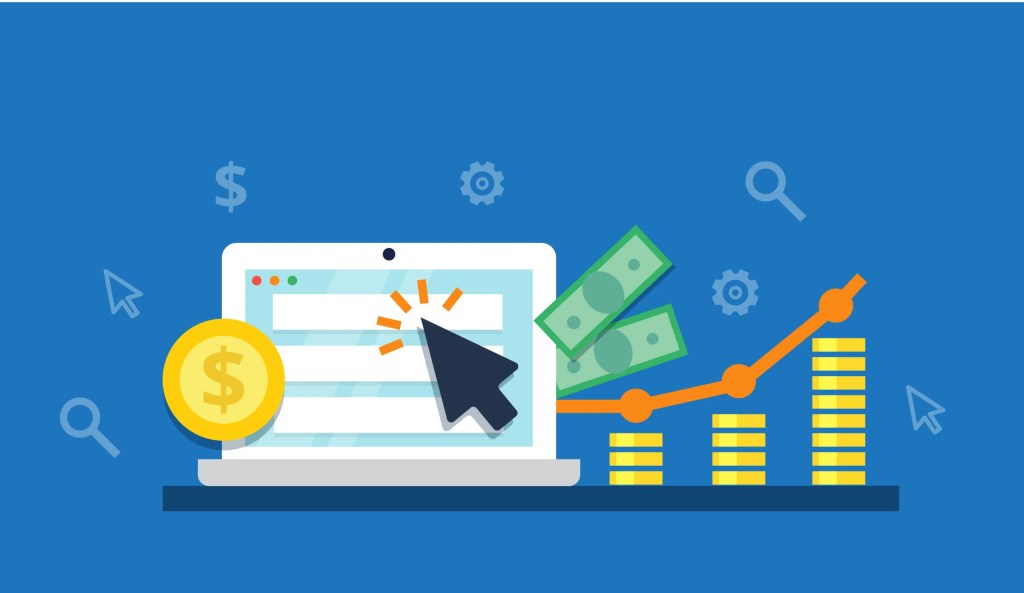
Ever wondered why specific links show up at the top of your Google search? In less than a second Google presents you with relevant websites related to your question. Most of the links at the top of the page are very likely a result of paid searches. Designed by brands to set themselves apart.
A Short Overview of Paid Search
Paid search? Pay Per Clicks (PPC)? Or Google Ads? When searching for a topic on Google, the majority of the links are a result of an organic search, which the search engine algorithm has determined was the best match for a search.
Paid search, however, is the result of paying a certain amount to have your business displayed on a search engine result page when specific words are typed into a search engine. These ads are displayed on the first page in order to direct users to your website and increase traffic.
Below are a few reasons why companies choose to invest in paid search:
- It advances company goals
- Is trackable and measurable
- It lowers barriers to entry, especially if you’re a new brand
- It enables a wide audience to reach your website
You also have the choice of determining how much you are willing to spend in order to generate leads. You can start off small and grow from there as PPC campaigns take off.
How can your business use Paid Search?
When users type in specific keywords into their search engine they do so with intent. And Google Ads is one of the most powerful approaches to advertising as it accounts for 98% of global search traffic.
Some fundamental Aspects of Paid Search Advertising are:
- Pay Per Click Bidding – you pay only when a user actually clicks on your ad. Google sets pricing through an auction-style bid for specific keywords.
- Quality Score – Ads with a high score are considered valuable and relevant to search engine users, therefore showing up higher on the results page.
- Keywords – identify relevant keywords for your ad that will get you displayed on the first page, and ensure you’re bidding on these specific keywords by paid search keyword research, keyword grouping, and negative keywords.
- Keyword Matching – Google ads have three primary match types:
- Broad – Picks any word related to the one you selected, and matches your ad against the largest number of possible search queries
- Phrase – Identifies ads only with an entire phrase
- Exact – Although restrictive, Google matches your ad to queries using exact keywords from the search.
Finally, be patient, make sure to take a look at your data analytics, and make changes according to your metrics. PPC is a powerful tool utilized by marketing professionals to differentiate from competitors by focusing on keywords, ad creation, and quality scores to create brand awareness and reach your desired target market.
 Helen olivares
Leave a comment